See if we’re a good match
Ready to see if we’re the right fit? Here’s what we’ll check and what you’ll need.
About you
You’re at least 18 years old, live in Australia and have an Australian mobile number.
Identity documents
You have a valid Australian Drivers Licence or Australian passport.
Up to 2 borrowers
You’re applying by yourself or with one other co-borrower.
- Check your LVR and upfront costs
Loan amount
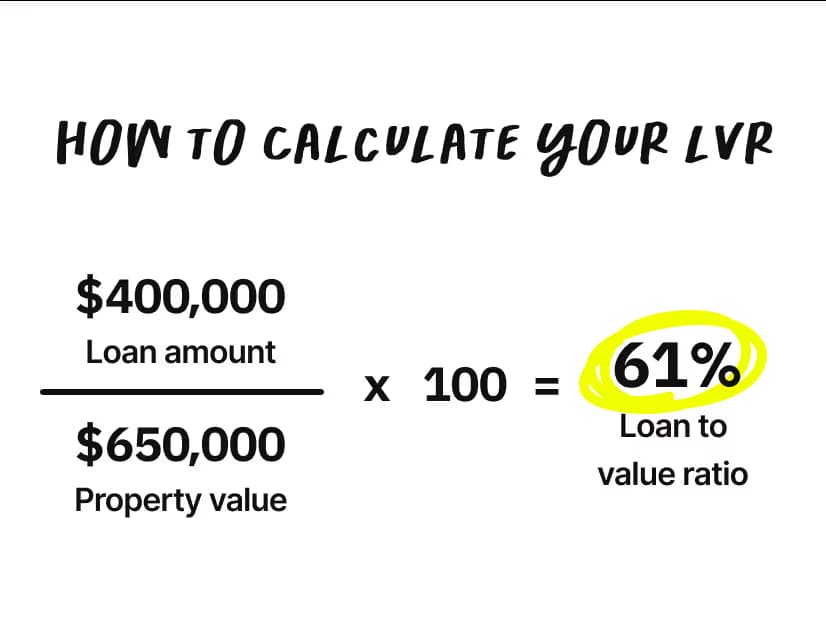
You have a loan-to-value ratio (LVR) of up to 90% (at least 10% equity or deposit) and can cover any upfront costs.
- Income and documents we accept
Finances
You receive regular income to support your loan, are paid in Australian dollars and possess a good credit history.
- Property and title requirements
Property
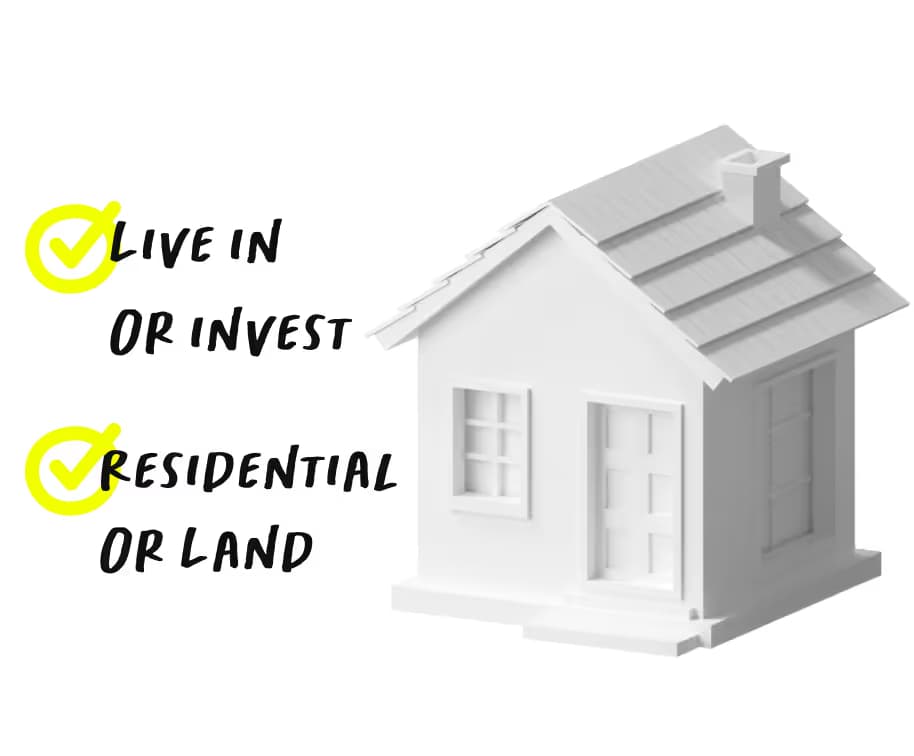
You’re applying for a residential or land loan to live in or as an investment (we don’t offer construction loans).
Your loan amount
Choose your loan purpose to see the requirements for your equity or deposit, loan amount and upfront costs.
Equity and LVR
You have at least 10% equity in your property (LVR is less than 90%). We’ll help you with a property valuation.
Own your property outright and want to access your equity? You’ll be eligible to refinance with Unloan. Learn more
For loans with an LVR between 80.01% and 90%, a higher interest rate applies. In some cases, depending on the property’s location or type, we may only be able to lend you up to 70% of the property’s value.
Total loan amount
You’d like to borrow between $10,000 and $10,000,000.
If you have multiple loans with Unloan the maximum amount you can borrow across all loans is $10,000,000. You cannot borrow more than $2,000,000 of above 80% LVR loans.
Upfront costs
You can cover a mortgage registration fee and any fees from your current lender including exit or break fees.
What are the upfront costs associated with buying a home?
- Transfer duty or stamp duty
- Pest, building or strata reports
- Legal or conveyancing fees
- Mortgage registration fee
- Land tax and registration of title
The amount and type of these upfront costs can vary. Calculate how much your upfront costs could be.
Your income and documents
Check what income we accept and the documents you’ll need to verify your income.
What is included in PAYG income?
- Regular base pay (full-time or part-time)
- Allowances or penalty rates (e.g. weekend or shift work)
- Overtime
- Commissions
- Bonuses
Documents you’ll need
- Your most recent payslips dated within the last 6 weeks, or
- Bank statements from the last 3 months, evidencing permanent employment base salary, allowances, overtime, commissions and bonuses.
In some cases, you can also provide a letter from your employer to demonstrate the commission and bonuses you receive at work.
If you’re on parental leave we’ll need a return to work letter that confirms:
- Your return date
- Expected salary
- Work schedule
What is included in casual or variable income?
- Casual job earnings
- Income from temporary or seasonal work
If you’re a casual, temporary or seasonal worker, you’ll need to have been employed for at least 6 months.
Documents you’ll need
- Your most recent payslips dated within the last 6 weeks, or
- Bank statements from the last 6 months, evidencing casual, temporary and seasonal income.
What is included in self-employment income?
- Sole traders
- Partnerships
- Companies
- Trusts
Documents you’ll need
You’ll need to demonstrate that your business has made a profit over the last 2 financial years.
For sole trader or partnership provide:
- Personal tax returns from the most recent 2 financial years
For company or trust provide:
- Financial statements from the two most recent financial years, or
- A letter from your accountant on the company letterhead dated in the last six weeks advising that the business made a profit in the two most recent financial years.
If you’re doing business as a Sole Trader or Partnership, we’ll also need:
- Your most recent Notice of Assessment (NOA)
If you’re doing business as a Company, we’ll also need:
- Individual tax return from the most recent financial year and most recent Notice of Assessment (NOA), or
- Personal bank statements from the last 6 months, showing regular and consistent payments of income from your business.
If you’re doing business as a Trust, we’ll also need:
- Personal bank statements from the last 6 months, showing regular and consistent payments of income from your business.
What are additional income sources?
- Rental income
- Government payments or pensions
- Child or spousal support
- Superannuation income
- Investment returns
Documents you’ll need
Rental income
- An active rental agreement for the current date, signed and in your name, or
- Rental statements for up to the last 6 months.
For future rental income, you’ll need to provide a signed rental appraisal including the projected rental income amount from the property agent.
Investment income
- Statement from the investment administrator (e.g. registrar, broker) showing income received over the last 12 months.
Government payments or pensions
- Bank statements from the last 6 months, or
- Letter or statement from the relevant government department showing the regular benefit amount.
Child or spousal support
- Bank statements from the last 6 months, or
- Family Law Court Order, Child Support Agency Letter, Solicitor’s letter showing the regular benefit amount.
Superannuation income
- Statement or letter from your superannuation fund outlining the indexed pension amount or annuity, or
- Bank statements from the last 6 months.
Income types we don’t accept
- Workers’ compensation
- Income protection insurance
- Foreign currency income
- Scholarships
- Superannuation payments from Self-Managed Superannuation Funds (SMSFs)
- Credit interest on cash balances
- Income from individual room rental and board
- Income from proposed future investments
- Guarantor income / servicing support / servicing guarantee
Your property
Property purpose and type
You’re planning to live in the property or it’s an investment.
You’re applying for a residential or land loan (we don’t offer construction or off-the-plan loans).
Property title
There is a maximum of two people listed on the title (we don’t accept properties held by a trust or company).
All listed owners on the title are Unloan borrowers.
Apply in minutes
Join thousands of Australians taking control of their home loan.